
Winter in Essex often brings frosty mornings and occasional snow that can quickly turn driveways into icy hazards. Left unchecked, ice on driveways creates dangerous conditions for families and visitors. It can cause slips and falls, leading to injury, liability, and costly repairs. In Rochford – like elsewhere in the UK – even a modest snowfall can compact into hard ice. According to official guidance, the best time to remove snow is in the morning, before it has a chance to compact or refreeze. At Rightmove Paving, we draw on years of experience as local paving contractors to help homeowners winter-proof their driveways. In this guide, we explain why ice on driveways is a serious issue, how to prepare your driveway for winter, and practical steps you can take to keep it safe.
Why Ice Build-Up on Driveways Is a Problem
Icy driveways pose multiple problems. Firstly, ice dramatically increases the risk of accidents. Slips and trips on ice are a leading cause of injury in winter. One public health study estimated that emergency hospital admissions for falls on snow and ice cost the NHS £42 million in just one winter. Health authorities now consider keeping surfaces clear of ice a “public health priority”. In practice, any homeowner could face liability if a guest or customer falls on an icy path. Workplaces in the UK lost nearly 971,000 workdays to winter slip and fall injuries in recent years showing how common and costly such accidents can be.
Beyond safety, ice damages pavement surfaces. Water that seeps into small cracks freezes and expands, forcing the pavement apart. Each freeze thaw cycle can widen cracks and lead to potholes or heaved slabs. Research on UK roads confirms this: “Potholes typically occur when water seeps into cracks… when this water freezes, it expands… leaving behind gaps and voids, weakening the road structure”. The same physics affects home driveways weak spots and joints are pried open by ice and then collapsed when the ice thaws. Over time, even a well-built driveway can suffer significant damage if water is allowed to freeze in it repeatedly.
Finally, there are hidden costs. Repairs to even minor frost damage can cost hundreds of pounds, and complete driveway resurfacing can run to thousands. Vehicles can also be damaged by icy, potholed driveways one survey found 21% of motorists needed to replace suspension parts due to potholes. You also face indirect costs: personal injury claims, and possibly higher insurance premiums after an accident. All told, the short-term effort to prevent ice is typically far cheaper than the long-term costs of damage and injury.
Long-Term Preparations Before Winter Arrives
Proper preparation in the autumn can significantly reduce winter ice problems. A thorough fall inspection of the driveway is the first step. Look for new or widening cracks, depressions (where puddles collect), broken edges or uneven surfaces. Addressing these issues in summer or autumn before the first freeze prevents water from accumulating in them. As road experts note, “Applying sealant before winter protects the surface from water penetration” and filling cracks prevents water from entering the pavement. For example, the Asphalt Institute advises that a new asphalt driveway doesn’t need sealing for 2-5 years if properly constructed, but as soon as the surface shows brittleness or small voids, a sealcoat (bitumen emulsion) should be applied to seal pores and cracks.
While inspecting, ensure the driveway has proper slope and drainage. A driveway should gently grade away from buildings and towards a drain or soak-away, so that melting water does not pool or flow under the driveway. Good drainage (gutters, downspouts and site drains) must be clear of debris so that runoff is removed quickly. Council advice cautions shoveling snow in a way that it doesn’t block drains. Also trim any overhanging trees or shrubs that shade the driveway. Sunlight helps melt frost, and heavy branches can drop snow that lingers as ice. Clearing leaves and debris from the driveway in autumn also prevents blockages and hidden moisture spots.
Before the cold weather, consider a professional sealcoating or resurfacing if your driveway is aging. A fresh sealcoat is a thin, protective asphalt layer that waterproofs the surface. This can dramatically slow water ingress. Experienced paving contractors (like Rightmove Paving) use high-quality sealers that form a barrier over small cracks and pores. In essence, sealing and crack-filling in autumn acts like wound care for your driveway, so it is in peak condition when ice comes. When the time comes, Rightmove Paving can advise if your driveway needs patching, crack repair or a new surface to withstand winter weather.
Prevention vs Removal: What Works Best?
Snow and ice can be managed either by preventing their bond to the surface, or by removing them after accumulation. Preventive measures include anti-icing treatments: for example, applying a salt brine or liquid de-icer before a snowstorm. Unlike rock salt pellets, brines (salt dissolved in water) are spread with sprayers and coat the driveway uniformly. They do not stop snow entirely, but they create a wet layer that freezes at a lower temperature, so the snow that falls is less likely to stick hard. The UK’s Highway Service notes that “pre-salting areas before snow falls will not stop the snow from settling, but it… will create a layer that will reduce the risk of the snow bonding with the pavement”essexhighways.org. In practical terms, a light spray of a brine solution (sodium-, calcium- or magnesium-based) can buy extra time; any new snow then tends to brush or plow off more easily. In fact, industry data show that pre-treating with brine often uses far less salt overall one comparison found that anti-icing can require only about one-third to one-quarter the material of reactive rock-salting, making it more cost-effective.
Reactive measures are what you do after snow/ice forms: shoveling, plowing, and applying rock salt, sand or other traction agents. Official guidance warns that salt cannot work on already-formed ice: it needs moisture to dissolve. Essex highways advise that once snow has compacted into ice, “salt has little or no effect”. Similarly, a UK study on highway salting noted that “if snow and ice have already formed… then adding salt will not help because there is no direct moisture for the salt to dissolve into. Snow and ice must be manually removed first”. In other words, shoveling or snow-blowing to break the ice bond is essential before salting.
Trade-offs: Preventing ice with brine or repeat light grit coats can save effort and reduce damage to the driveway surface, but it requires planning and may use more energy (e.g. fuel for equipment). Reactive salt or grit is cheap (table salt from the pantry costs pennies per use), but is corrosive to concrete, vegetation and metal. Overusing rock salt risks harming plants and pets, as discussed below. Chemically, magnesium chloride or calcium chloride salts melt at lower temperatures than sodium chloride, but these too can irritate skin or be costly. In summary, many experts recommend a mix: when frost is predicted, anti-ice with brine if possible, then stick to minimal grit or safer salts once snow falls. And always remove as much snow as possible by mechanical means before relying on any chemical.
Practical Winter Strategies to Prevent Ice Build-Up
- Clear snow promptly: As soon as the snow stops (preferably in the morning), remove it by shoveling or plowing. Fresh snow is easy to clear; once people pack it down, it freezes into hard ice. Clearing early means any sunlight or slight warmth during the day can melt hidden patches, and keeps the base layer from bonding. The UK “Snow Code” stresses that removing fresh snow is more effective than treating hard ice.
- Apply sand or grit for traction: If ice does form, spreading coarse grit or sand gives immediate grip underfoot. Sand doesn’t melt ice, but it is safe for pets and plants and provides traction. Road managers advise: “If snow has compacted and bonded to pavement… spread cat litter, cinders or coarse graded sand… These will… make it safer to walk on”. This is a simple, eco-friendly fallback when de-icers can’t be used.
- Use eco-friendly, pet-safe de-icers: When choosing a chemical melt, avoid pure rock salt. As noted, sodium chloride burns vegetation and paws. Better options include magnesium chloride or calcium magnesium acetate (CMA); these are less corrosive. According to the ASPCA, even MgCl and CaCl₂ can irritate pets if overused, so use them sparingly. Pet-safe products often contain urea or buffered salts. There are also organic de-icers (e.g. beet juice mixtures) that eliminate chloride altogether. When applying any de-icer, spread it thinly and only on critical areas (steps, center of path). A good rule of thumb is one tablespoon (~20g) of salt per square metre. Using minimal amounts protects nearby lawns and flowerbeds. After the ice is gone, sweep up residue and wash the driveway to limit environmental impact.
- Pre-treat before storms: If weather forecasts predict freezing rain or heavy snow, consider applying a liquid de-icer (brine or commercial spray) to clean, dry pavement beforehand. Anti-icing sprayers activate any moisture and help prevent ice-bond formation. The Essex winter advice notes pre-salting “will create a layer” that helps when the snow arrives. Do not use hot water to clear ice it will just refreeze into even more slippery black ice.
These practical strategies should be done continuously: check weather alerts, and don’t wait until the driveway is fully iced. In high-traffic zones (driveway entrance, front door steps), consider a mid-winter daylight check. Rightmove Paving recommends keeping a small stock of grit on hand (away from drains and vegetation) and a snow shovel accessible. In short, vigilant monitoring and a mix of removal and preventive tactics work best to keep driveways ice-free.
Heated Driveway Systems: Is It Worth It?
A heated driveway system is an expensive but ultra-convenient option. These systems consist of heating elements installed under the driveway surface. In the UK, most use electric radiant cables or mats: wires embedded below the asphalt or pavers. Sensors detect when the temperature is just above freezing (typically ~3°C) and when moisture is present, automatically powering the system to melt snow and ice. A less common approach is a hydronic system: pipes that circulate warmed water. Hydronics are widely used on sports fields or in Scandinavia, but are usually impractical for small driveways in the UK due to higher cost and complexity.
Pros: Heated driveways do away with shoveling and salting. They deliver virtually worry-free snow removal: as soon as snow contacts the surface, it melts or slides off. This greatly reduces slip risk and vehicle ice damage. According to a UK building magazine, homeowners report that heated driveways are a strong selling point, offering an immediate impression of “high-spec” quality and improved safety. In fact, by preventing ice formation, heated driveways can also protect the pavement itself from freeze damage and chemical wear.
Cons: The main drawbacks are cost and energy use. Installing a fully heated driveway in Rochford would typically cost around £4,000-7,000 for the heating elements alone (for example, a 12m×1m track system was quoted at about £6,000 installed). Then electrical work and new surfacing add to that bill. Running costs are relatively modest – one report cites about £5.40 per hour when running a 30m² system. For moderate winter use (say 50-100 hours per season), this is comparable to a few bags of premium salt. However, all that power use does generate carbon emissions. This can be offset by only heating wheel-track areas or by tying the system to solar panels.
Another consideration is long-term reliability. Electric systems (with no water) are generally robust, but installation must be done by experts. A hydraulics plumber would be needed for hydronic loops, making repairs costly. As one expert warns, any leak or fault under a driveway is very difficult to access. This is why the installer quoted in Homebuilding prefers only electric radiant systems to minimize such risks.
In summary, heated driveways are worth it if budget allows and if you value convenience and added home value. But for most homeowners, they represent a major investment. You may consider a compromise: install heating in just tracks where the car wheels run (60-70 cm wide) to cut costs and energy. Rightmove Paving can advise if a heated system is right for your property – and we work with specialists to install them properly.
Sealants and Surface Protection
Protecting your driveway surface makes a big difference in ice prevention. As noted, applying an asphalt sealcoat or concrete sealer before winter is like putting on a raincoat. It fills tiny pores and hairline cracks so water cannot seep in. Even a thin primer coat of slow-setting asphalt emulsion can bond a porous driveway and fend off freeze damage. For concrete, a silane/siloxane sealer can be used. Sealants also help older surfaces shed snow more easily – water beads on the sealed surface rather than soaking in.
Schedule: How often should you seal? Industry experts say a new well-built asphalt driveway usually doesn’t need sealing for 2 to 5 years. After that, sealcoating should be done as soon as you notice dryness, fading or small cracks. Ideally, plan to seal driveways every few years; this proactive maintenance is cheaper than repairing major cracks or potholes later. For concrete driveways, sealers typically last about 3-5 years and should be reapplied once the surface starts to wear.
Repairs: Before the freeze, repair any remaining faults. Small cracks and potholes can quickly worsen in winter. The advice from surface experts is clear: patch them now, before they grow. “The longer a crack or pothole is left, the more it will grow under continued freeze-thaw pressure”. Rightmove Paving offers asphalt and block paving repairs – we can fill cracks and level low spots ahead of winter. Fixing even a couple of holes in October can prevent a costly full-resurfacing job next spring.
Eco-Friendly & Pet-Safe Ice Prevention
Safety for pets and the environment is increasingly important. Traditional rock salt (sodium chloride) may be cheap and effective, but it comes with downsides. As one industry analysis notes, rock salt is “responsible for unsightly lawn and plant burns… can damage concrete, can burn pets’ paws, [and] are corrosive to metals and have a negative impact on the environment and our water supplies”. In other words, chloride from the salt ends up in nearby soil and rivers, which can harm aquatic life over time. It also corrodes car underbodies and driveway edges.
Alternatives: To protect your dog, children, and garden, consider safer ice melts. Many “pet-safe” deicers contain magnesium chloride or urea, which lower freezing points but are less caustic. However, the ASPCA points out that even MgCl₂ or CaCl₂ can irritate dogs’ paws and stomachs if ingested. Calcium magnesium acetate (CMA) is another eco-friendly option (it’s biodegradable and derived from limestone), though it’s less common and more expensive. Organic brine mixtures (e.g. beet juice or sugar solutions) are emerging products that leave virtually no chemical residue. When using any deicer, follow the label: keep pets off the treated area until fully dissolved, and wipe their paws after contact.
Best practices: Use the minimum effective amount of any deicer. Experts suggest roughly 20 grams (a tablespoon) of salt per 1m² of cleared surface. Avoid spreading it on lawns or plants – the Met Office says “be careful not to spread salt on plants or grass as it may damage them”. If possible, sweep up excess salt after the ice has gone and rinse the driveway, to reduce environmental runoff. In many cases, simple sand or grit (a non-toxic option) combined with good footwear is enough to keep families safe without any chemicals.
By choosing the right products and using them carefully, you can keep your driveway ice-free while also protecting pets, plants and watercourses.
Winter Monitoring & Maintenance
Even a well-prepared driveway needs attention throughout the cold season. Check your driveway frequently after snowfall or temperature dips. Clear any new thin layers of snow or ice as soon as you can a few minutes with a shovel each day is easier than tackling heavy ice later. High-traffic areas (the path from car to door, steps, gateways) deserve extra attention make sure they stay clear. The UK’s official winter advice highlights that steps and steep areas may need additional salt because they freeze faster.
If you notice small new cracks or potholes forming (for example, edges lifting from frost heave), repair them immediately. Our referenced tarmac experts warn that “every cycle makes the damage worse” in freeze-thaw conditions. Patching minor damage early can prevent it from becoming a full-depth resurfacing problem. Rightmove Paving can handle mid-winter pothole repairs if needed often a quick patch will suffice to keep things sound.
Also manage runoff and meltwater carefully. Ensure that melting ice drains off the driveway through grates or slopes standing water will refreeze. Clear any snow that might be dumped into drains or neighbor’s paths (as the Snow Code notes, take care not to shovel snow where it will block drains). After thaws, inspect your surface: puddles should not remain for more than a few hours. Good drainage and regular cleaning of debris ensure that one thaw doesn’t simply set you up for the next freeze.
According to public health studies, local councils find that keeping walkways clear is essential to avoid the high healthcare costs of fall injuries. The same logic applies at home: stay proactive. Even checking the news for frost warnings each evening and laying a quick grit can save money and trouble. Remember, it’s easier to manage thin ice than a black ice sheet.
Why Working With a Professional Paving Company Helps
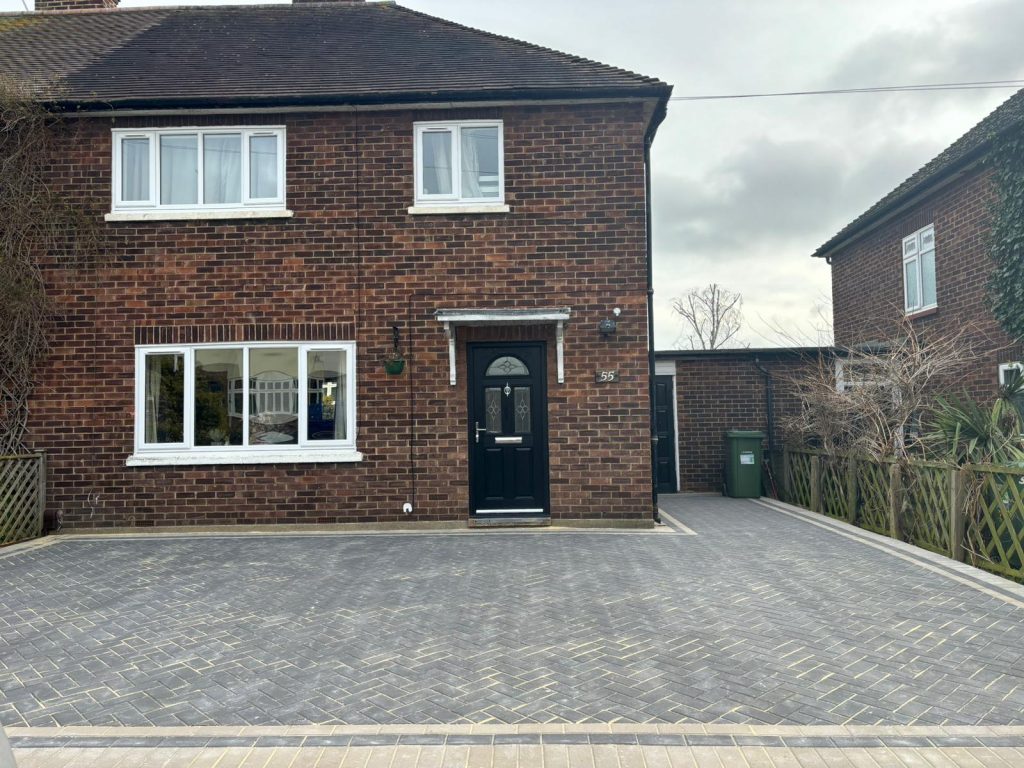
Partnering with experienced paving contractors like Rightmove Paving gives you an expert advantage. We bring local knowledge (knowing Rochford’s winter micro-climate) and technical skill to each job. Our team can perform a thorough winterisation assessment: checking drainage, advising on sealants, and scheduling any necessary repairs. Because we understand materials, we can also recommend the right surface. For example, block paving or resin driveways have slightly different freeze dynamics than plain asphalt. We know how to maintain all these surfaces through the freeze thaw cycle.
If you’re considering a heated driveway, professional installation is crucial. As noted, heated systems must be integrated under the pavement correctly. Rightmove Paving works with certified installers who ensure the cables or mats are laid under the correct thickness of tarmac or slab (typically 50mm of asphalt is ideal). We also stay on top of safety: we advise electric systems over hydronic to avoid leaks, and we’ll show you how to control the system efficiently.
Finally, a professional contractor provides peace of mind. Our work comes with warranties and we carry liability insurance. If any winter repairs are needed under warranty, we handle them you won’t have to dig up the driveway yourself. Plus, having a maintenance contract with a local Rochford paving company means we’ll remind you when it’s time for annual sealcoating or winter checks. Overall, working with Rightmove Paving means you get expert experience and a guaranteed standard of work, letting you relax through the frostier months.
In conclusion, preventing ice on your driveway is all about preparation, prompt action, and using the right techniques. Start now by inspecting and sealing your driveway, plan your de-icing strategy, and don’t hesitate to clear snow quickly. These steps will keep your family safe and save money in the long run. As Rochford’s trusted paving contractors, Rightmove Paving can help with everything from asphalt driveway repair to heated driveway installation and regular maintenance. Contact us today to discuss winter driveway maintenance in Rochford and request a free quote. Don’t wait for the first frost let us help you create an ice-free driveway and give you one less thing to worry about this winter.